
A NEW campaign has been launched by Devon County Council to raise awareness of the risks of cervical cancer and highlight the benefits of screening — reminding women that cervical screening can stop cancer before it starts.
The ‘Cervical Screening Saves Lives’ campaign encourages women to respond to their cervical screening invitation letters, and if they have missed one, to book an appointment at their GP practice.
Two women die every day from cervical cancer in England. Women can protect themselves against the risk of cervical cancer by attending a screening when invited.
It is estimated that cervical screening saves around 5,000 lives each year. However, cervical screening is at a 20-year low with one in four women in the UK not attending their test.



The screening test, which only lasts a few minutes, is not a test for cancer. In fact, attending regular screening can help stop cervical cancer before it starts by preventing potentially harmful cells from developing.
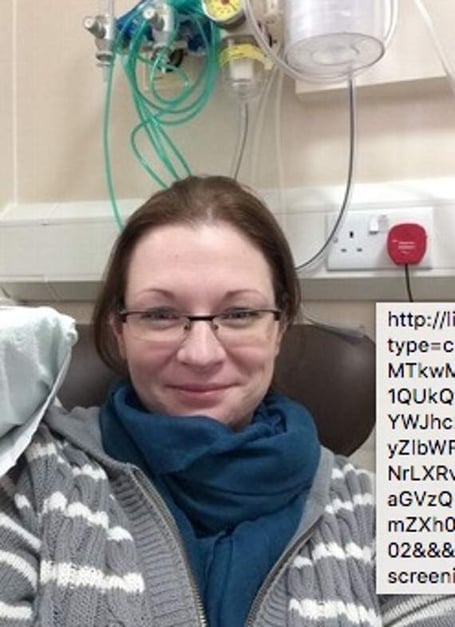
Rhea Crighton, 36 from North Devon, was diagnosed with cervical cancer at the beginning of December 2016.
‘I was five months pregnant when I began bleeding, developed pain when opening my bowels and suffered from pelvic and thigh pain. I initially thought the bleeding was due to an issue with the placenta and after doctors excluded this, I put the symptoms down to “one of those things” that sometimes happens in pregnancy.
‘Eight weeks after giving birth I was still having symptoms and I was referred by a GP to gynaecology for further investigations.
‘After several tests, I was informed that I had locally advanced stage 2b grade 2 squamous cell cervical cancer, I was not surprised as I had been told at Coloscopy that it was most certainly a malignancy. However, due to my pain and symptoms, I had diagnosed myself with stage 4 and so the news of stage 2b was actually a relief as the prognosis is much better.
‘The oncologist explained that the cancer I had was too advanced for surgery but one that generally responds well to treatment, which would include radiotherapy and chemotherapy.
‘My advice to women is to please attend cervical screening, if you are scared, anxious, have previous trauma talk to your GP, practice nurse or gynaecologist and they can help support you to find ways to have this screening test. Yes, it’s uncomfortable but not as uncomfortable as chemoradiation, a hysterectomy or death.’
Comments
This article has no comments yet. Be the first to leave a comment.