

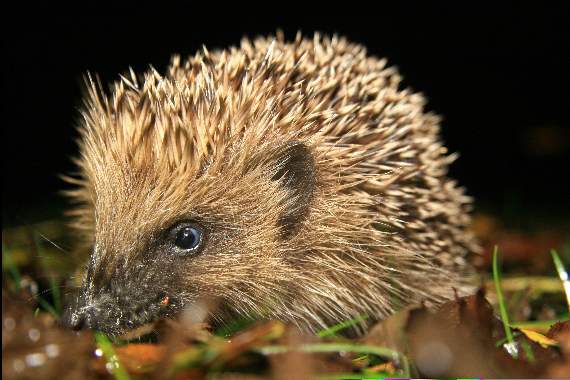
A NEW report published last week by People’s Trust for Endangered Species (PTES) and the British Hedgehogs Preservation Society (BHPS) shows a continuing decline in hedgehog numbers, in both rural and urban landscapes.
‘The State of Britain’s Hedgehogs 2015’ follows the first comprehensive review of the status of hedgehogs nationally in 2011. Since this first report, several ongoing surveys, by PTES and others, have shown a continuing population decline.
The report, publicised at a special UK summit on hedgehogs, paints a stark picture — since 2000, records of the species have declined by half in rural areas and by a third in urban ones.
The loss of hedgerows and intensive farming in rural areas, along with the tidy, fenced-in gardens in urban and suburban locations, are just some of the threats contributing to the demise of hedgehogs.


PTES and BHPS are working to ensure the long-term survival of this iconic, native animal and have also launched a joint ten-year conservation strategy for the hedge-hog in Britain. This report has been developed in consultation with leading experts, NGOs and statutory bodies and is designed to help plan conservation action up to 2025.
Henry Johnson, hedgehog officer, said: ‘Hedgehogs are important because their presence indicates a healthy environment. To see a generalist animal like this decline is very ominous because they are in many ways so tolerant of human activity. On the flip side, it’s encouraging to know that whatever we do to help hedgehogs will also benefit other wildlife.’
The two wildlife charities are also appealing for more volunteers to join Hedgehog Street, which encourages people to connect their gardens and other green spaces to improve hedgehogs’ access to food, shelter and mates. Since its launch in 2011, Hedgehog Street has inspired over 36,000 volunteers to create hedgehog-friendly neighbourhoods, by linking up their gardens and green spaces.
For more information visit www.hedgehog street.org
Comments
This article has no comments yet. Be the first to leave a comment.