
LED bulbs are far less expensive to run than the more traditional incandescent (or tungsten) and halogen alternatives.
As an example, a traditional 60w incandescent bulb used for an hour and a half per day over a year would cost £11.18 based on the energy price guarantee price of 34p per unit.
An equivalent LED bulb (around 8.5 watts) would cost £1.58 per year to run and is likely to cost £2.50 or less to buy.
If you replace your old incandescent bulb with an LED you’ll save approximately £8.50 in your first year.




Not sure what sort of bulbs you have?
LED bulbs do not get hot. They put more or less all the energy into generating light.
If you have light bulbs which are hot to the touch (don’t touch them directly as you might get burnt, but put your hand close to them) then they are not LEDs.
A rule of thumb is that a halogen or incandescent bulb is likely to cost around 10 times to trun than the cost of an LED, and you can recoup the cost within the first year.
Festive lighting
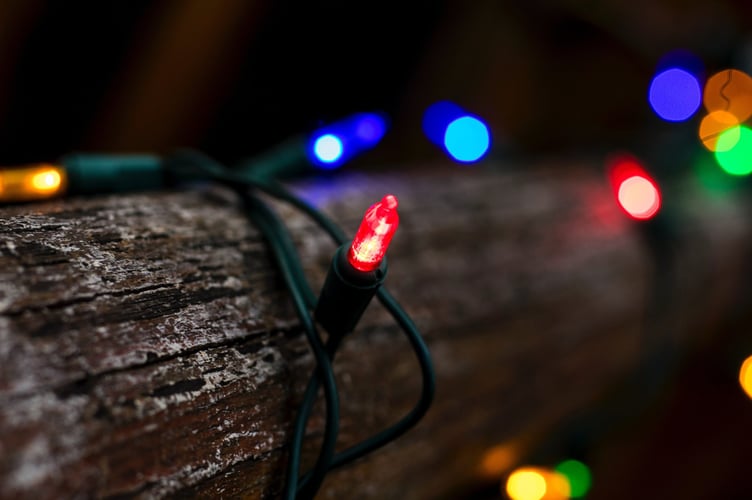
Christmas is a time of year when many people are lighting their homes with Christmas tree lights; and some of us may have displays outside.
Calculations made by Wizer Energy suggest that households that include LED Christmas lights (25 metres of LEDs), outdoor LED rope lights and an LED rope light decoration outside could add £15.70 a month to your electricity bill this winter; which would increase to £49.05 if your lights are incandescent rather than LED.
If you’re concerned about managing your energy bills this winter, you may want to consider how much you invest in your festive lighting.
Lighting your tree with 25 metres of LEDs may only cost you 50p for the month of December.
The external lights will cost more.
To read more about this check out https://tamarenergycommunity.com with more details on the calculations.