
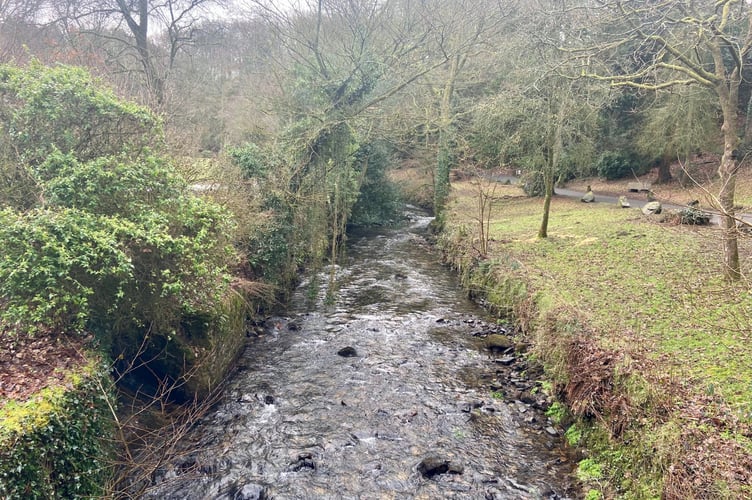
The parkkeeper of Simmons Park has described the initial response of authorities to the diesel spill in Okehampton’s river as “too slow,” resulting in unnecessary environmental damage.
James McGahey has praised the emergency work now that it has begun, but described the initial response time by Great Western Railway (GWR) and the Environment Agency as “disappointing”, arguing that invertebrates killed in the disaster could have been saved had they acted more quickly.
He said: “When I went down there, I was expecting a major crisis, [so] we’re lucky the main river wasn’t affected. However, fuel had collected in a small pool at the bottom of the river, and when I looked, all the invertebrates that lived there had been killed.
“The Environment Agency came the following day but didn’t put the booms (to collect the pollutants) across the river until a couple of days later. They should have done it faster.”
The Environment Agency has confirmed it was made aware of the spill on the same night as the incident, but could not send officers out until the following day, as low evening light would have made working conditions unsafe. The agency added that Network Rail workers had already been deployed to the site.
A spokesperson said: “Our officers attended the site as soon as it was light enough to do so and took immediate action to protect the environment, using absorbent material to catch as much fuel as possible and limit the impact of the spill on the river.
“Water quality was monitored throughout the incident, and there was no recorded impact on wildlife.”
Rail company GWR assured the community that it had responded promptly to the disaster, contacting the Environment Agency and Network Rail “as soon as it happened.”
GWR’s safety and environment director, Chris Maxwell, said: "I know this has been worrying for people locally, and I'm sorry for the concern it has caused. I've seen first-hand the impact this has had on the area and understand why people would want to be reassured that we are taking this very seriously.
“As soon as it happened, we alerted the Environment Agency, Network Rail and their specialist contractors. Clean-up teams, supported by the Environment Agency, attended through the night to contain the spill and limit further spread. Within 24 hours they had cleared out the drainage system and could concentrate on protecting the river and surrounding areas. Preventative work continued over the following days, which included installation of absorbent booms and sandbags to protect the river further.




“That equipment remains in place, and specialists will continue to monitor the drainage system until the Environment Agency is comfortable there is no further impact. Specialists are also undertaking a ground survey to assess the impact of the spill in the immediate area, which will inform any further works required.”
The hot, sunny weather last week has delayed the cleanup operation, as rainfall is needed to wash pollutants out of the surrounding soil so the booms can catch them as they flow downstream.
Comments
We've recently changed our login process. If you have an account for commenting, you will need to re-register on the login window.
This article has no comments yet. Be the first to leave a comment.