
CATTLE are a big part of the Okehampton Show, with classes including native breeds, writes Sarah Pitt.
These include both Devon’s own breeds, including Galloways grazed by local farmers on Dartmoor, as well as the Aberdeen Angus and Welsh Blacks.
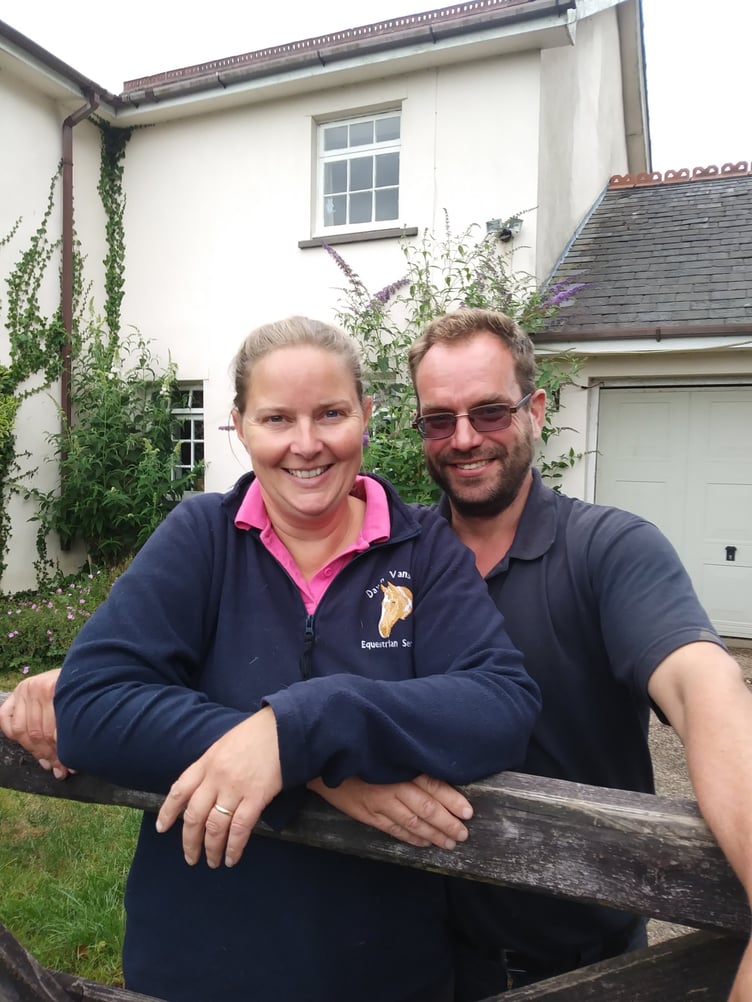
Dawn Vanstone runs the cattle section at the show while her husband Ian is head steward. The couple live near Bratton Clovelly near Okehampton and have a background in cattle farming, specifically Devon Reds. Dawn said that cattle entries were good for the show this year.
“We have had nearly 200 entries and everything is going according to plan so far,’ she said. “We are hoping it is not going to be quite as hot at the show as it was last year. We had to send the cattle away in the middle of the day because it got too hot to be in direct sunshine so it was a challenge. Hopefully it will be cooler this time.”
The show has classes for both commercial breeds and native breeds.
“My particular favourite are the Red Devons,’ said Dawn. “We used to be involved in breeding Red Devons, they are usually among the larger entries in the cattle classes. They are gentle giants and calm and easy to manage and I just like them.
“Those entering are local farms mainly, but we have quite a few regular people who come every year and people do come from the bottom of Cornwall to as far up as Taunton (in Somerset) and Exmoor.”
She urged anyone who had not experienced the show to give it a try, with everything from crafts to livestock to admire as well as live entertainment and local food and drink.
“Well, I might be biased but the Okehampton Show is the best one day show in the South West," she said. "It is just a really friendly show, there is lots of variety for people. It is a highlight in the annual farming calendar and the farmers come and show off their stock. If they are selling their stock, it is their shop window, and it is also just a nice day out for everyone.”
‘My husband is the cattle steward. We turn up at at 5.30am on show day and I leave at 6.30pm so it is a long day and hard work. It takes about a week to set the show up and then by the end of the afternoon it is all gone.”
When it comes to picking out the best cattle, judges are looking for “good locomotion” – the way an animal moves. “That’s particularly important in dairy cattle because they need to be able to move around and graze,’ said Dawn.
The composition, the build of the animal, is particularly important for beef cattle but that is not all there is to judging. When it comes down to it, an animal has to have that special something to be awarded a rosette. “It is just something that catches the judge’s eye really,” said Dawn. ‘That’s what it comes down to in the end.”
Comments
This article has no comments yet. Be the first to leave a comment.