
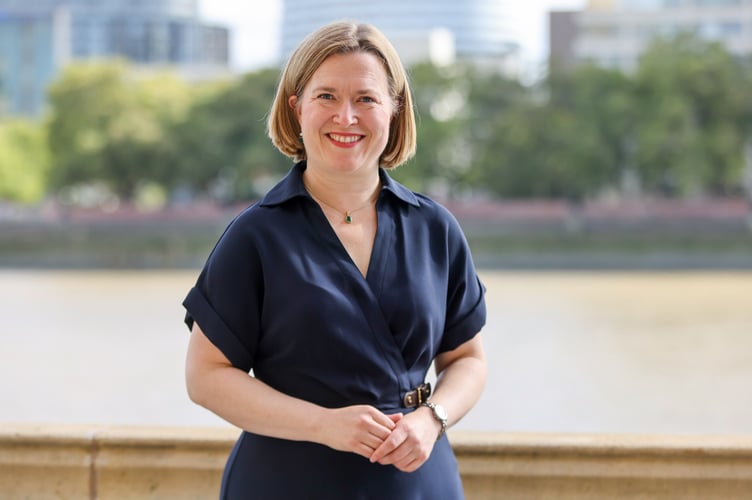
The MP for the Yelverton area and the South Hams has welcomed the resignation of Prime Minister Sir Keir Starmer this morning.
Rebecca Smith, Conservative MP for South West Devon, said the premier had made mistakes on policy which had considerably alarmed her constituents, including the farmers’ farm tax proposal and the loss - now reinstated – of winter fuel payments.
"Keir Starmer’s resignation brings to an end a government that has failed to deliver on the promises it made to the British people,’ she said.
“He came into office promising change, stability and competence. Instead, his premiership became defined by damaging decisions, public backlash and a series of humiliating U-turns forced by the Conservative Party.”



“Farmers were targeted with the family farm tax. Pensioners lost winter fuel payments. Businesses were hit with Labour’s jobs tax. Working families faced higher costs whilst welfare spending continued to rise.
“Time and again, it was the Conservative Party forcing Labour back to the drawing board. We led the opposition to cuts to winter fuel payments, exposed the damage the family farm tax would do to rural communities, forced Labour to abandon mandatory Digital ID and pushed the government into a series of other embarrassing climbdowns.
“By the end, it was hard to know what Labour actually believed. Ministers would announce a policy, Conservatives would expose the flaws, the public would push back and Labour would quietly abandon or water down its plans. It became a pattern that defined Keir Starmer’s premiership.”
She went on to state, however, that: “Whoever becomes the next Labour leader will face exactly the same problem. Remember when Labour MPs were calling for higher taxes to spend more on welfare? Well, the Labour Party is still full of those same MPs demanding higher spending, opposing welfare reform and calling for higher taxes to fund an ever-growing benefits bill.
“The problem is not who Labour chooses to lead it. The problem is that too many Labour MPs still believe the answer to every challenge is more spending, more borrowing and more tax.”
Comments
This article has no comments yet. Be the first to leave a comment.