

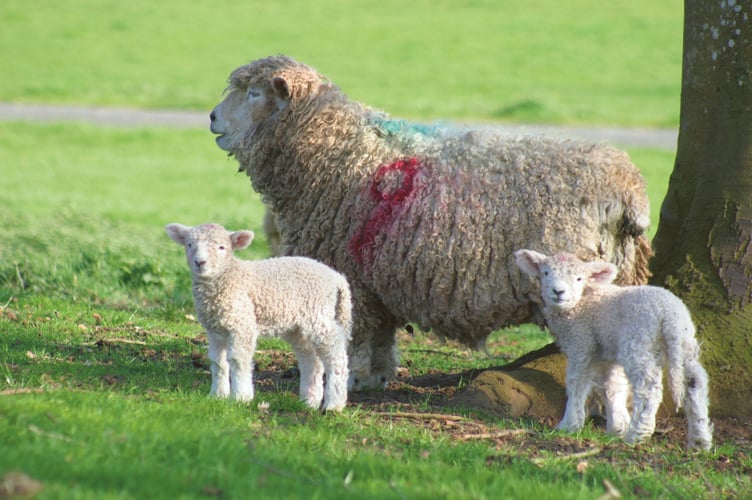
DEVON and Cornwall Police have issued advice to dog owners and walkers that livestock worrying laws have changed.
They explains that recent updates to the Dogs (Protection of Livestock) legislation mean stronger powers and clearer responsibilities for anyone walking dogs in the countryside — including on public footpaths.
The key changes are:
• Unlimited fines for livestock worrying • More animals protected, including alpacas and llamas • Law now applies in fields, enclosures, roads and public rights of way • Police can seize dogs, enter premises with a warrant and collect forensic evidence.




What counts as livestock worrying? It’s not just attacking or biting. Worrying includes: • Chasing, running at, harassing or scaring livestock • A dog being loose among animals and not fully under control • No physical contact needed – stress alone can cause miscarriages, injuries or panic.
Proper control – what it really means: A dog is only under proper control if the handler can prevent it from approaching or chasing livestock at all times. • Leads must be short and secure • Flexi leads + long lines often don’t meet the standard • Off-lead control must be instant and reliable – hesitation or running towards livestock means it’s not under proper control.
Dog seizures: Dogs are not automatically destroyed. Seizure is usually for evidence or to prevent repeat incidents. Destruction orders are rare.
Remember:
Livestock don’t need to be bitten for an offence “Friendly” or “never done it before” is not a defence Walkers are responsible for preventing risk, not reacting after it happens.
The police conclude: “These laws protect farmers and animals — please share this information to help prevent future incidents.”
If you see a dog loose, report it via the force website.
If the dog seems to be out of control, let police know using 101.
If a dog is causing an immediate danger or is on a highway, call the police using 999 if life is in danger.
Comments
This article has no comments yet. Be the first to leave a comment.