
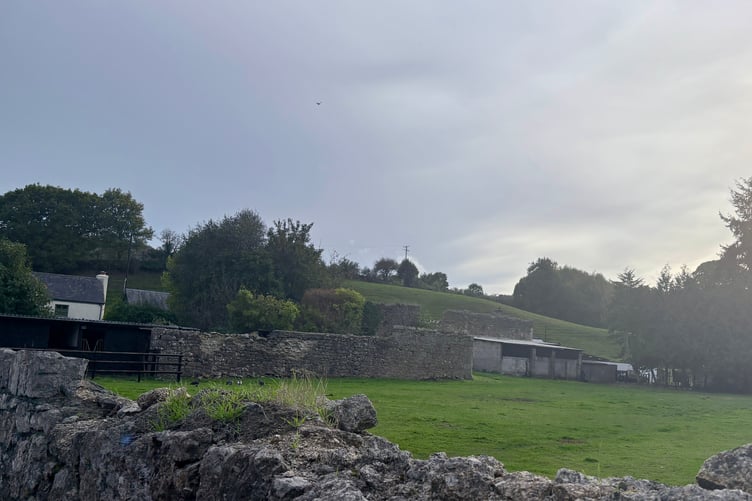
A planning application to build a vertical farm on the site of a derelict wool factory near Chagford has recently been submitted to Dartmoor National Park.
The proposed site is located approximately a half a mile from Chagford village at Factory Cross where the remains of a nineteenth century wool factory lie. The landowner has now applied to repurpose the site as a vertical farm which will produce salad and microgreens to an independent business.
The proposed construction would comprise of a single rectangular building and include all the facilities to ensure crop production, harvesting, packaging and any necessary administrative activities could happen on site.
The modern building would incorporate the original factory walls to help screen it from sight and consist of a corrugated metal roof, painted masonry render, aluminium PPC windows, doors and rainwater goods and a timber-boarded plant room.
It is hoped that the farm would contribute to sustainable farming and net zero crop production in the area by relying on renewable energy sources and shortening the local and regional supply chain.
To ensure the farm’s net zero carbon footprint, the site would include roof-mounted solar panels and rain harvesting resources and use electricity created by the nearby hydro-electric plant.
The applicant hopes that it will provide the area with a sustainable farming facility by relying on renewable energy sources and support local supplies by shortening the production chain.
There are no plans to alter the existing access point to the site which is via a gated entrance by the adjacent cottage. The applicant states that an increase in traffic is not expected with vans arriving no more than once a day to collect the produce.
The original factory was established around 1800 and formed part of a wider industrial complex that included weaving, spinning and fulling operations powered by water from the River Teign.
During the first half of the nineteenth century the mill complex became a significant local employer but production ceased during the late nineteenth century due to the decline of the Devon wool industry.



.jpeg?width=209&height=140&crop=209:145,smart&quality=75)
The site gained historical significance through its association with George Henry Reed, who adapted the former mill water power system to generate electricity. Chagford became one of the earliest settlements in Devon to benefit from public electric lighting.
Comments
We've recently changed our login process. If you have an account for commenting, you will need to re-register on the login window.
This article has no comments yet. Be the first to leave a comment.