
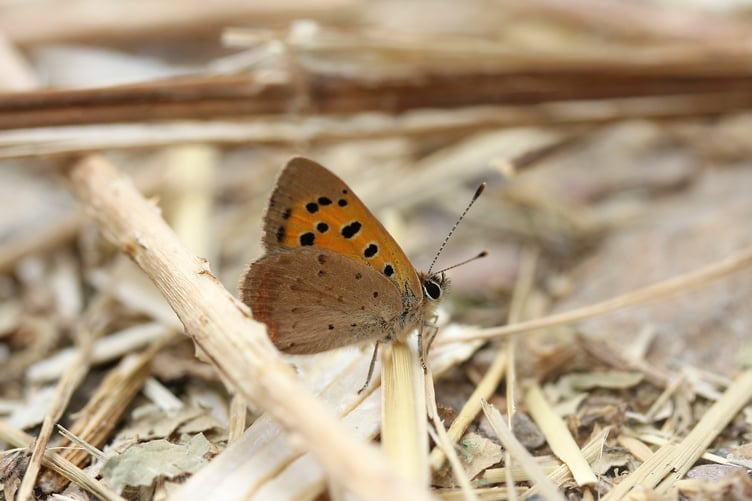
The hot and dry summer of 2026 suited butterflies, and in Devon, 77,151 were spotted.
Results from the Butterfly Conservation's 2026 Big Butterfly Count are in, with one standout species, the Painted Lady, up 335% on last year.
Across the county, 4,712 people took part, the most-spotted butterfly in the county was the Gatekeeper. The Meadow Brown took the second spot, with the Red Admiral following in third.
Citizen scientists in Devon spotted 6,955 Painted Ladies in this year’s count in what's been widely described as a ‘Painted Lady summer’.
Painted Ladies undertake one of the most remarkable insect migrations in the world, arriving in Britain via a relay of several generations, each flying a leg of the journey from Africa, across the Sahara Desert and Mediterranean Sea, before reaching UK shores.
Professor Richard Fox, Head of Science at Butterfly Conservation, said: “Adult butterflies love hot, sunny weather for flying, feeding and breeding, and that's exactly why people saw so many this summer. However, the very same weather that made it a good year for butterflies - lots of sunshine and very little rain - could mean we’re actually on course for a population crash, which could take years to recover from.
“With increasingly hot, dry summers and droughts predicted to become more and more frequent due to climate breakdown, degraded habitats and already depleted butterfly populations, some species may be pushed further and faster towards extinction, which is a very sombre thought. They are, quite simply, less resilient to these events, which means we could be looking at very difficult years ahead.”
People can help by planting more ivy, holly and buckthorn, experts say, as these are a valuable late-season nectar source.


Other species such as oaks, hawthorn, birches, apples and willows all provide homes for caterpillars of a wide array of native moths – and leaving patches of grass to grow long is also helpful to insects.
Comments
This article has no comments yet. Be the first to leave a comment.