
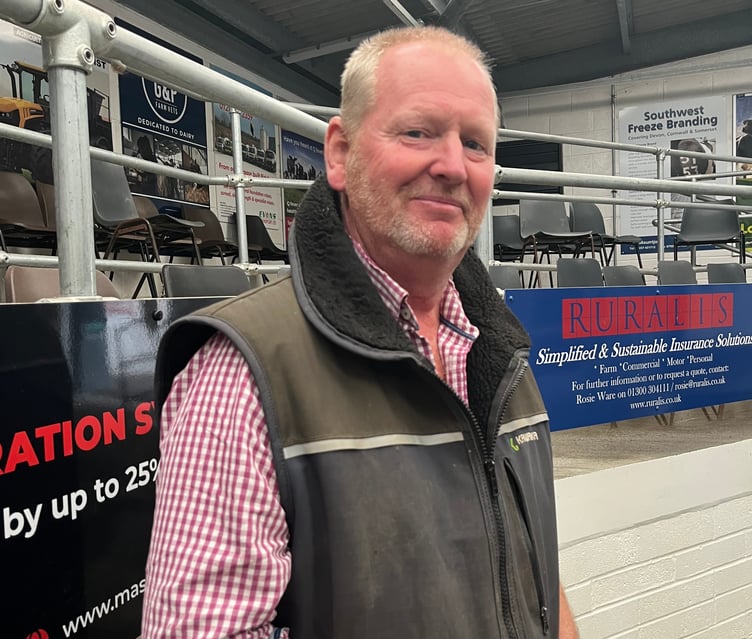
“I do not want to see another farmer go through this” … those were the words of farmer Mark Walter who lost more than 50 sheep from the bluetongue virus which is spreading rapidly across Devon.
Mark, of Milton Damerel near Holsworthy, is urging farmers to vaccinate to keep the virus at bay and says it’s not too late to save animals this summer.
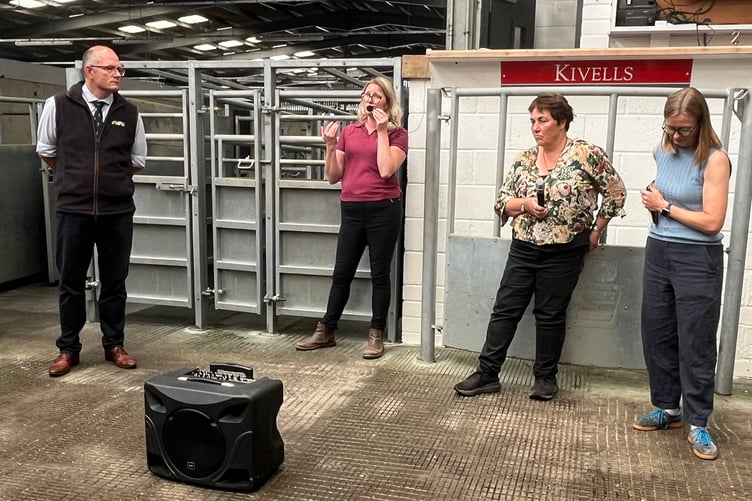
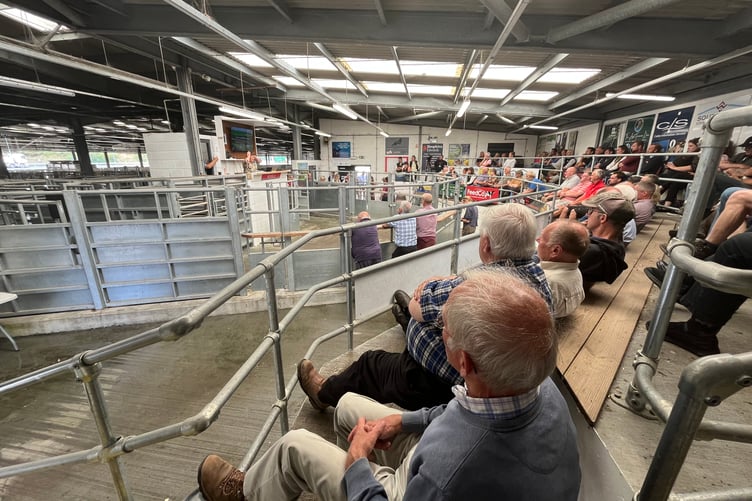
Industry experts are reiterating the same message. At a NFU organised meeting at Holsworthy Livestock Market on Wednesday (August 19) featuring a panel of experts including Defra representatives, NFU president Tom Bradshaw said vaccination was the only tool to prevent “catastrophic losses” on farms.
The spike in the bluetongue BTV-3 strain, which is spread by midges, is affecting Devon more than other county although cases are being reported in Cornwall and Somerset.
Following the first cases confirmed in early July more than 400 farm holdings are showing infection and 2,200 more are awaiting results.
Both sheep and cattle are affected and it can pass to unborn lambs and calves but mortality rates and severity of symptoms can vary.
Symptoms include fever, lameness, facial swelling, nasal discharge and mouth ulcers.
The “perfect storm” of hot weather conditions, dryness and the heavily populated livestock areas of Devon has resulted in the quick spread of this virus strain which emerged in 2023 originating from an outbreak in the Netherlands.
Beef and sheep farmer Mr Walter says it’s been a torrid time: “It affected our breeding ewes, lambs and rams and it was very fast. Within 12-24 hours from diagnosis they were gone. We gave them medication but it was no good.
“We have vaccinated all our sheep now and put in 1700 doses and I would advise anybody in the sheep industry to do this because it is a hell of a thing out in the field to see it. I would not want another farmer to go through this.


“The sheep go to nothing, within two days their stomachs are pulled in so tight they can’t walk, they go stiff, they are drooling from the mouth and they cannot drink.
“My wife has been drenching some sheep with molasses through a tube just to see if we can get them to live.”
The farmer has urged others to talk to each other and do the right thing.
“We think we had this disease two months ago, obviously it was only coming in small waves then, yes a farmer is a farmer and he is most probably thinking about the money but if we knew it was going to be so bad we would have vaccinated two months ago.”
Mr Walter said his vaccination and medication bill was close to £10,000.
Rebecca Cavill of Torch Farm Vets, which operates across North Devon and Exmoor, said cashflow was a real issue for many of the farmers she had seen.
“Some have asked me what vaccinations they can drop because they physically do not have the cash to buy them.
“We know it’s the right investment long term as the cost can be much higher if the animals get very poorly but having the cash at that moment can impact some decisions.”
Rebecca said she was aware that unvaccinated breeding ewes were making £130 at market compared to £270 for a vaccinated ewe.
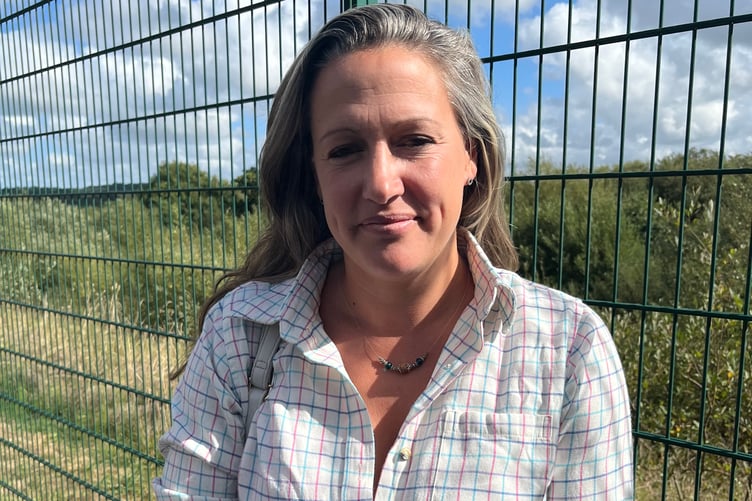
Petrockstowe farmer and Devon County Council cabinet member for rural affairs Cheryl Cottle-Hunkin criticised the government for “a lack of support” and at the meeting called for a subsidised vaccination programme into the future.
She said communication had been “poor” around the issue.
She said she had lost 13 sheep and treated around half her stock for bluetongue, describing the experience as “relentless” and the “hardest thing we have been through”.
“The losses themselves are expensive, then there are vet expenses, the medicines and vaccines and the potential fertility problems that we won’t know about until next year.”
She added that she knew of someone who had lost 130 sheep.
“I am pleased that the NFU is pushing for funding for disposal costs because that is a real kick in the teeth when you have already lost animals but it needs to go further.
“We need a vaccination programme that is funded. It is an animal welfare and a human welfare issue as it is impacting the farming community.
“It’s hugely depressing to see your animals sick and dying and we really need to be on top of this in the future.”
Farmers at the meeting also raised issues about confirmed cases taking up to two weeks to be added to a map of affected areas and slowness in getting results. They also highlighted the differential in vaccine costs from £2.50 to £5 per dose.
Experts said the vaccine was not currently being imported into the country at a rate to meet the demand but urged farmers to pre order it following a consultation with their vets.
The meeting was also told that there was currently only one lab in the UK accredited for testing and there was “a bit of a bottleneck” .
Farmers heard that in 2007 the government lost money when it underwrote the supply of 28 million doses of the vaccine for the bluetongue BTV-8 virus as not all farmers took up the offer.
NFU dairy board chair Ian Harvey refuted claims that communication had been poor over the latest outbreak.
He said the effects of this current strain of bluetongue had been publicised by the NFU since 2024 and the government “did everything it could” to contain it within the east of the country at the time with movement restrictions.
Since than vaccines had been developed meaning movement restrictions were not necessary for unaffected animals.
“It’s widely known that it is spread by biting midges and it was only a matter of time before it spread across the UK. We saw a hotspot at the end of 2025 but unfortunately it looks like the virus has incubated during the winter.”
Kate Forgan, who is a member of the team at Penbode Vets in Holsworthy, said the influx of enquiries and the workload from bluetongue this summer had presented a “huge challenge” to the practice.
“For two to three weeks the phones did not stop” she said, adding that a large proportion of their farms had now been vaccinated.
She urged people to get in touch if they were not sure what to do.
Sheep are being given a single dose and cattle two doses of the bluetongue vaccine.
Kate said that she believed a booster would be needed next year.
Comments
We've recently changed our login process. If you have an account for commenting, you will need to re-register on the login window.
This article has no comments yet. Be the first to leave a comment.